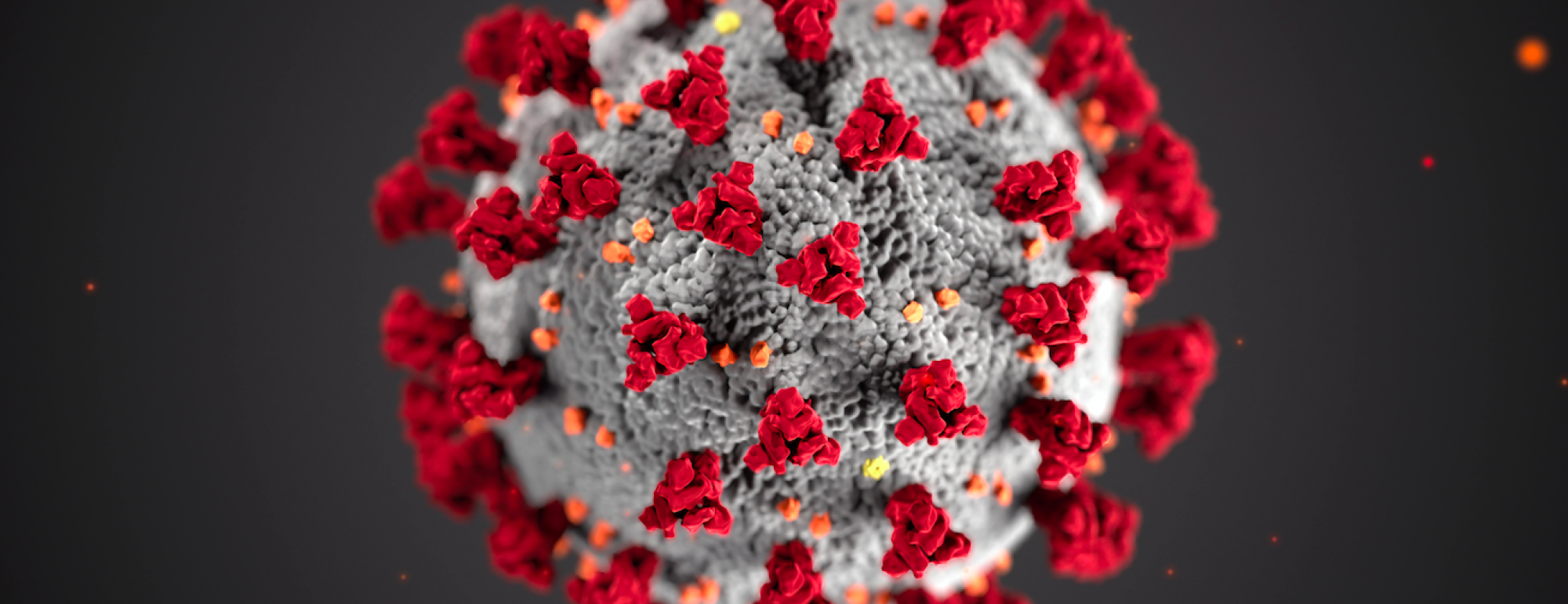
A new study from the University of California, Davis, Genome Center and UC San Francisco shows no significant difference in viral load between vaccinated and unvaccinated people who tested positive for the delta variant of SARS-CoV-2. It also found no significant difference between infected people with or without symptoms.
The findings underscore the continuing need for masking and regular testing alongside vaccination, especially in areas of high prevalence, the authors wrote. The study is currently available online as a preprint from MedRxiv.
One-third of recovered COVID-19 patients reported new or continuing symptoms two months after their positive tests, according to a study by graduate students in epidemiology at the University of California, Davis, in collaboration with the Long Beach Department of Health and Human Services. Women, people over 39, people with preexisting conditions and Black/African American persons had enhanced rates of “long COVID” symptoms.
With more than 41.5 million cases and a year and a half after the first confirmed COVID-19 case in the U.S, the search for a safe and effective cure to coronavirus continues.
As the pandemic spread around the globe, researchers at the School of Medicine partnered with drug developers and funding agencies to find and test potential therapies and vaccines to SARS-CoV-2, the virus that causes COVID-19.
19 months and nearly 43 million cases after the first confirmed COVID-19 infection in the U.S., the search for safe and effective treatments continues at the UC Davis School of Medicine.
As the pandemic spread around the globe, researchers at the School of Medicine partnered with drug developers and funding agencies to find and test potential therapies and vaccines to SARS-CoV-2, the virus that causes COVID-19.
At the beginning of the COVID-19 pandemic, community health clinics saw a significant drop in patient visits. Important screenings like those for the hepatitis B virus (HBV) were getting missed, which was a setback for a local program called END B to end the transmission of HBV—a leading risk factor for liver cancer.
A UC Davis Health retrospective study published recently in Infection Control and Hospital Epidemiology shows how quickly COVID-19 infections were reduced among health care workers when vaccines were first distributed late last year.
While a life-altering pandemic has caused a substantial uptick in anxiety and depression symptoms among adults and children alike, LGBTQ+ youth have turned to peers in anonymous online discussion forums for support. New research from the University of California, Davis, suggests these LGBTQ+ teenagers — who already experience disproportionate levels of psychological adversity — exhibited increased anxiety on the popular r/LGBTeens subreddit throughout 2020 and the start of 2021.